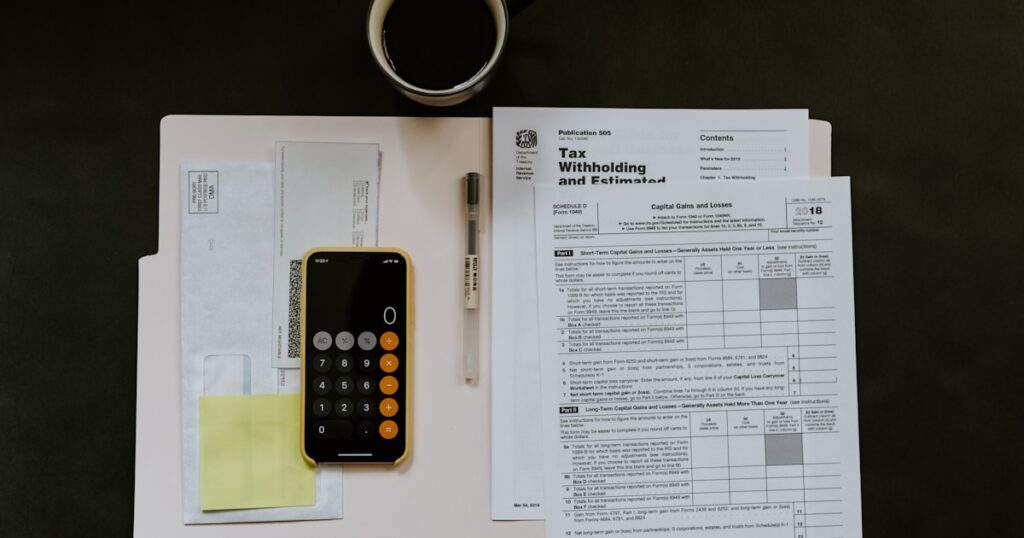
Maria paid her rent on the first of every month for three years, same bank transfer, same property portal, never late once. Then her apartment complex switched property management software, and the new system re-keyed two years of payment history into a different account ID. Her March payment — made four days early — got mapped to the wrong tenant file and posted as a 30-day late. Her score dropped from 718 to 651 in one reporting cycle, and a mortgage pre-approval she’d been counting on evaporated with it. Nothing about her payment behavior had changed. A data entry error had simply rewritten her financial reputation.
This happens more often than most consumers realize, and it’s rarely malicious. It’s a byproduct of the plumbing behind rent reporting — a system with more moving parts and less oversight than traditional credit accounts. If you’ve noticed a rent-related late mark on your report that doesn’t match your actual payment history, you’re not imagining it, and you have specific legal tools to get it removed.
How a Rent Payment Gets Misclassified in the First Place
Rent doesn’t report to credit bureaus the way a credit card or auto loan does. Instead, a third party — a rent-reporting service like RentTrack, Rental Kharma, or Experian Boost, or the property management software itself — collects payment data and transmits it to the bureaus using a standardized format called Metro 2. That extra layer of data handling is exactly where things go wrong.
Common failure points include: a payment processor experiencing a lag that pushes your transaction past the due date on paper even though the funds cleared on time; a software migration (like Maria’s) that maps your account to the wrong tenant ID; a furnisher using the wrong payment status code, marking “OK” as “30 days past due” through a clerical error; or a partial payment being coded as a full miss when you paid the balance within a grace period your lease actually allows.
None of these require any wrongdoing on your part. They require a system, somewhere between your bank account and the credit bureau’s database, to have made a mapping mistake — and mapping mistakes are exactly the kind of error the Fair Credit Reporting Act was built to let you fix.
Why One Misclassified Rent Mark Hits Your Score So Hard
Payment history makes up about 35% of your FICO Score, more than any other single factor. That weighting doesn’t discriminate between a rent tradeline and a credit card tradeline — a late mark is a late mark to the scoring model, regardless of how the error occurred.
Rent tradelines carry an outsized punch for a specific reason: many renters have thinner credit files than homeowners with multiple mortgages and credit cards. When you only have three or four reporting accounts, one 30-day late mark represents a much larger share of your total payment history than it would for someone with fifteen accounts. FICO’s own published data shows consumers in the 700s can see drops of 40 to 100 points from a single new delinquency, and the newer scoring models — FICO 9 and VantageScore 4.0 — weigh rental data more heavily than older versions did, which cuts both ways.
If you’re also carrying other credit challenges, the impact compounds. A single misreported rent late payment stacked on top of existing negative marks can be the difference between qualifying for a competitive mortgage rate and getting quoted a rate that costs you tens of thousands of dollars over the life of the loan.
Step One: Pull Your Reports From All Three Bureaus
Before you can dispute anything, you need to see exactly how the error is coded. Request your reports from Experian, Equifax, and TransUnion — free weekly access is available through AnnualCreditReport.com under federal law. Rent tradelines don’t always appear on all three bureaus, since not every landlord or rent-reporting service furnishes to all of them, so check each one individually.
Write down the exact furnisher name listed on the tradeline (it may be the rent-reporting company, not your landlord directly), the account number, the specific date the late payment was reported, and the payment status code shown. This level of detail matters because a dispute that says “this is wrong” gets far less traction than one that says “this account, reported by [furnisher], shows a 30-day late for the payment made on [date], which conflicts with my bank record showing payment posted on [date].”
Misclassification isn’t limited to rent, either — the same mapping and coding failures show up across other account types, which is worth understanding if you’re trying to spot every error on your file, not just the rent line. Misclassified account types cause similar damage across other tradelines, and the identification process is nearly identical.
Step Two: Build a Proof File Before You File Anything
Disputes succeed or fail based on documentation, not persistence. Before you contact anyone, assemble a folder — physical or digital — with everything that proves your actual payment behavior.
At minimum, gather:
- Bank or credit union statements showing the exact date the rent payment cleared your account
- Screenshots or PDF confirmations from your rent payment portal, including timestamps
- Your lease agreement, specifically the due date and any written grace period
- Any email or text correspondence with your property manager acknowledging the payment or the software error
- A simple timeline you write yourself: payment date, reported date, and the discrepancy between them
The strongest disputes I’ve seen resolved quickly all had one thing in common — the consumer could show, in writing, that money moved from their account to the landlord’s account before the due date passed. That single fact usually ends the argument.
Step Three: Dispute With the Credit Bureau Under FCRA Section 611
Once you have your evidence organized, file a formal dispute with each bureau reporting the error. You can do this online, but for anything beyond a simple typo, a written dispute sent by certified mail with return receipt requested creates a paper trail that protects you if the bureau claims it never received your documentation.
In the dispute letter, identify the account, describe the specific error, state clearly what the correct information should be, and attach copies (never originals) of your supporting documents. Under FCRA Section 611, the bureau has 30 days to investigate — 45 days if you submit additional information during the process — and must forward your dispute and evidence to the furnisher, who is legally required to review it and respond.
This is the same core mechanism used to fight other inaccurate late marks, including ones tied to routine account activity rather than rent. If you want a closer look at how the process plays out on a different tradeline type, disputing incorrectly reported late payment marks on credit card accounts follows nearly the same documentation and escalation path.
Step Four: Dispute Directly With the Furnisher, Not Just the Bureau
Most consumers stop after disputing with the bureau, but the Fair Credit Reporting Act also creates a direct obligation for the furnisher — the rent-reporting company or property management firm — under Section 623. They’re required to investigate disputes you send them directly and correct their Metro 2 reporting if they find an error.
Send a separate certified letter to the furnisher with the same documentation, and specifically ask them to correct the payment status code in their next data submission cycle. Property management companies switching software vendors, like in Maria’s case, often have internal records showing exactly when the migration happened — request that record if you suspect a systemic error, because it can prove the mistake wasn’t unique to your account and may be affecting other tenants too.
Working both channels at once — bureau and furnisher — cuts resolution time significantly, because the furnisher’s confirmation of an error to you directly gives the bureau’s investigator a faster path to updating or deleting the tradeline.
Common Mistakes That Sink an Otherwise Valid Dispute
I’ve watched people with airtight cases lose disputes because of avoidable process errors. The most frequent ones:
- Filing a vague online dispute that just says “this isn’t accurate” without explaining what happened or attaching proof
- Disputing with only one bureau when the same rent tradeline is furnished to two or three
- Giving up after the first “verified” response instead of escalating with more specific evidence
- Never disputing with the furnisher directly, relying only on the bureau to relay the message
- Forgetting that FICO and VantageScore models can treat the same tradeline differently, so a “fix” on one score report doesn’t guarantee the other updated too
- Waiting months to act, which lets the negative mark influence more credit decisions (mortgage applications, auto loans, rental applications) before it’s corrected
Speed and specificity are what separate a two-week correction from a six-month fight.
If the Bureau Comes Back “Verified” — What to Do Next
Sometimes a furnisher rubber-stamps a dispute without real investigation, and the bureau reports the tradeline as “verified accurate.” You’re not stuck. You have the right to request the specific method of verification used — under the FCRA, a furnisher can’t simply confirm data matches its own system if that system is the source of the error.
If the bureau won’t reinvestigate properly, file a complaint with the Consumer Financial Protection Bureau at consumerfinance.gov, which routes complaints directly to the furnisher and bureau with a required response window. You can also file with your state Attorney General’s office, and in cases involving clear, documented harm, consumers have pursued statutory damages through small claims or federal court under the FCRA’s private right of action.
The dispute escalation ladder looks similar across different types of stubborn reporting errors — old debt that resurfaces past its legal reporting window follows a comparable path. If you’re dealing with a furnisher that won’t budge, reviewing how others have escalated disputes against uncooperative furnishers can help you calibrate your next letter.
What Recovery Actually Looks Like — and Your Next Step
Once documentation reaches both the bureau and furnisher, most consumers see a corrected tradeline within 30 to 60 days. Score recovery isn’t always instant or complete — if the late mark contributed to other changes, like a higher utilization ratio from a missed autopay elsewhere, you may need a broader cleanup, not just the one correction. Removing a wrongly coded late mark tends to restore a meaningful share of the points lost, similar to what we see when other negative entries are corrected or removed entirely, such as when an inaccurate zero-balance entry gets deleted from a paid account.
If you’ve already sent one round of disputes and hit a wall, or if you’re staring at a rent tradeline error while a mortgage or lease application deadline is closing in, don’t keep re-sending the same letter and hoping for a different result. Book a consultation with our team at GetScorePros — we’ll pull your full three-bureau file, identify exactly where the misclassification originated, and build the documented dispute package that gets furnishers to correct the record instead of stalling.