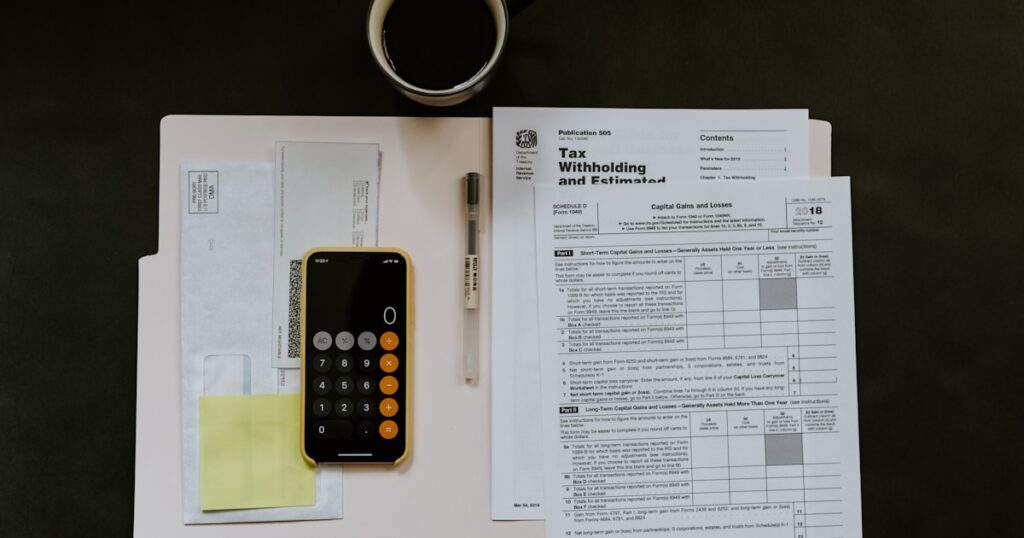
Maria applied for a $22,000 debt consolidation loan to roll four credit cards into one fixed payment at 11.9% instead of the 26% average APR she was drowning under. She had a steady $61,000 salary, two years at the same job, and a checking account that never dipped below zero. The lender denied her anyway. The adverse action notice cited “excessive obligations relative to income” and “derogatory public record.” Maria had no public record. What she had was a collection account from a hospital bill she’d paid off eighteen months earlier, still showing as open and unpaid on the credit report the lender pulled, plus a duplicate charge-off from an old store card that had been reported twice by two different collection agencies.
That scenario plays out thousands of times a month. A debt consolidation loan denial feels like a verdict on your character or your money management, but it is frequently a data problem, not a discipline problem. Lenders don’t manually review your finances — they run automated underwriting against whatever the credit bureaus report, and that report is a snapshot compiled by machines pulling from thousands of furnishers who make mistakes constantly. If you were just denied a consolidation loan, the first move isn’t to accept it and apply somewhere else. It’s to find out exactly what the lender saw and whether it was even accurate.
Why Lenders Reject Debt Consolidation Loans
Debt consolidation lenders underwrite differently than credit card issuers because they’re extending a large, fixed sum against your ability to repay it in 24 to 60 monthly installments. Most personal loan lenders want a debt-to-income ratio under 36% to 43%, a FICO score of 620 or higher for unsecured offers (640-680+ for the best rates), and no open collections reporting a balance. When any input into that formula is wrong, the algorithm rejects you before a human ever sees the file.
The three numbers that sink the most applications are DTI, utilization, and derogatory mark count. If your credit report shows a $4,300 collection balance you already paid, or a repossession still listed as active six years after the fact, the underwriting model treats it as current, live risk. It doesn’t matter that the real number is zero — the model only knows what’s on the file.
Common denial triggers include:
- Reported utilization above 50% on revolving accounts, even if one card balance is a reporting error
- A collection account duplicated across two agencies, effectively double-counting the same debt
- An old charge-off with a re-aged “date of last activity” that makes a seven-year-old debt look recent
- Income-to-debt math skewed by an account that isn’t even yours, sometimes from a mixed credit file
Understanding which lever tripped the denial is the difference between reapplying blind and reapplying with a corrected file.
Your Right to Know: Decoding the Adverse Action Notice
Under the Equal Credit Opportunity Act, any lender that denies you credit — including a debt consolidation loan — must send a written adverse action notice within 30 days. This isn’t a courtesy; it’s federal law, enforced through the CFPB’s Regulation B. The notice must state the specific principal reasons for denial in plain language, not vague boilerplate, and it must name the consumer reporting agency that supplied the data if the decision was based on your credit report.
Read that notice line by line. Reason codes like “amount owed on accounts too high,” “serious delinquency,” or “length of credit history” each point to a different part of your file. If the notice cites a specific bureau — Experian, Equifax, or TransUnion — pull that exact report first, because scores and account data can differ meaningfully between the three.
You’re also entitled to a free copy of the report used in the decision if you request it within 60 days of the denial, separate from your normal annual free reports. Most lenders will provide this directly, or you can request it from the named bureau. Compare it side by side against your other two bureau files pulled through AnnualCreditReport.com. Discrepancies between bureaus — an account open on one file and closed on another, a balance that’s $0 on two reports but $1,800 on the third — are your strongest early evidence that something is wrong with the data, not your finances. If the denial reason involved account classification, our guide to disputing credit mix and misclassified account type errors walks through what those coding mistakes look like on a report.
The Most Common Credit Report Errors That Kill Loan Approvals
A widely cited FTC study found that roughly one in five consumers had a confirmed error on at least one of their three credit reports, and about one in twenty had an error serious enough to affect their score or a lending decision. For debt consolidation applicants specifically, a handful of error types show up again and again.
Duplicate accounts are the biggest offender. This happens when an original creditor charges off a debt, sells it to a collection agency, and the debt is later resold to a second agency — but the first agency never deletes its listing. Now the same $2,100 medical bill appears twice, adding $2,100 in phantom debt to your DTI calculation.
Re-aged debt is close behind. Collectors are prohibited from resetting the clock on a debt’s reporting period, but it happens, sometimes accidentally through a system update, sometimes not. An old debt that should have aged off your report after seven years suddenly shows a recent “date of last activity,” making it look like a fresh delinquency.
Address discrepancies and mixed credit files also cause real damage — your file gets cross-contaminated with another consumer’s accounts, often someone with a similar name or Social Security number transposition. If you’ve never seen the specific account before, that’s a red flag worth pursuing through our breakdown of how address discrepancies cause credit report inconsistencies. Misclassified payment history matters too — rent or lease payments incorrectly coded as installment loan delinquencies can quietly wreck a DTI ratio, which is covered in detail in our piece on disputing misclassified rent payments.
Step-by-Step: How to Pull and Audit Your Credit Reports
Start by pulling all three bureau reports free through AnnualCreditReport.com — federal law entitles you to weekly free access, a policy made permanent after the pandemic. Don’t rely on a credit card app’s free score; those are often VantageScore estimates that don’t match the FICO model lenders actually use for underwriting.
Print or export all three reports and go account by account, bureau by bureau, in a simple spreadsheet. For each account, log the creditor name, account type, balance, status, and date opened. Anything that appears on one bureau’s report but not the other two deserves a second look — it doesn’t automatically mean it’s wrong, but it means you verify it before assuming it’s accurate.
Specifically flag:
- Any account you don’t recognize or never opened
- Balances that don’t match between bureaus for the same account
- Collections with a balance you’ve already paid or settled
- Any account showing “open” status for a loan you closed years ago
- Public records — judgments, liens — that don’t belong to you or have already been satisfied
This audit typically takes two to three hours the first time. It’s tedious, but it’s one of the most useful tasks before reapplying, because it shows which items may be inaccurate instead of sending generic letters about every negative mark on file.
How to Prepare and Send Your Disputes
Section 611 of the Fair Credit Reporting Act gives you the right to dispute inaccurate information directly with the credit bureau, and the bureau must investigate within 30 days (45 days in some cases involving reinvestigation requests). File disputes online through each bureau’s portal, but also send a certified letter with return receipt for anything involving a duplicate account, re-aged debt, or identity mix-up — the paper trail matters if you need to escalate to the CFPB later.
In your dispute, be specific. Don’t write “this isn’t mine.” Write “this collection account, originally from [creditor], reports a balance of $2,100 but was paid in full on [date], receipt attached” or “this account is duplicated by [second agency name] reporting the identical original creditor and balance.” Attach documentation — payment confirmations, settlement letters, account statements — every time you have it.
The bureau forwards your dispute to the furnisher (the original creditor or collector), who has to verify the data is accurate or the item must be deleted. If a furnisher can’t verify the item within the window, the FCRA requires deletion. Results vary. If your denial also referenced a card issuer’s own decision rather than a collection, our guide on disputing adverse action reasons from a denied credit card application covers how to challenge a creditor’s specific denial rationale directly.
What to Do While Your Dispute Is Pending
The 30-day investigation window is not a waiting room. Use it. First, stop applying to new lenders during this period unless absolutely necessary. Multiple hard inquiries within a short window compound the exact DTI and risk-profile problems you’re trying to fix. Most scoring models deduplicate inquiries for the same loan type within a 14 to 45-day shopping window, but inquiries for different products — a personal loan here, a balance transfer card there — stack separately and can cost you 5 to 10 points each. Our article on the credit score impact of multiple inquiries in one week breaks down how the math works.
Second, attack utilization on the accounts that are accurate. Even a temporary paydown of $500 to $1,000 on your highest-utilization card may affect your score, since utilization updates as soon as the new balance reports. Results vary.
Third, request a copy of your dispute results in writing once the bureau responds. If an item is deleted or corrected, get the updated report and keep it — you’ll want it in hand for your next loan application, since lenders sometimes pull from stale cached data if you reapply too quickly with the same institution.
Preparing to Reapply: Timing and What to Check
If a bureau corrects or deletes an inaccurate item after your dispute, your score may change, but the amount and timing vary and nothing is guaranteed. Updates depend on when each bureau and furnisher reports the correction.
Wait until at least one full reporting cycle has passed and your updated reports confirm the corrections before reapplying. Reapplying the week after a dispute closes, before the creditor updates its own systems, often means the lender still sees the old data. Allow time for the updates to appear.
When you do reapply, consider a different lender or loan product than the one that denied you, since some institutions flag recent denials internally for a set period. Also check your updated score directly rather than assuming the corrections changed it. A corrected balance may affect utilization more than your derogatory count, and that distinction can matter to lenders.
When to Get Help
Filing one dispute for one obvious error is manageable solo. It gets harder when you’re facing five or six inaccuracies spread across three bureaus, a mixed credit file requiring identity verification paperwork, or a lender deadline for a time-sensitive refinance. That’s the point where outside guidance can help you stay organized.
Keep the cost of delay in mind too, such as staying on 24%+ average credit card APRs while you work through an unfamiliar dispute process. Multiple bureaus and multiple furnishers can make the process harder to track alone.
A credit consultant adds organization, not magic. That can mean helping you track 30-day response windows across three bureaus, prepare method-of-verification requests, and understand which documentation a specific furnisher type (medical collector versus bank versus retail card) typically needs to substantiate a debt. You send every dispute yourself. If your denial involved paid accounts still reporting balances, this overlaps directly with issues covered in our piece on zero-balance negative entries on paid-in-full accounts.
Your Next Step
A debt consolidation loan denial tied to inaccurate credit report data may be correctable, but it won’t correct itself on the next application cycle. The same errors can follow you to the next lender unless they are disputed. Pull your three bureau reports, match them against the reason codes on your adverse action notice, and send specific, documented disputes on anything that doesn’t check out. If the errors span multiple bureaus or you’re working against a deadline, book a free Credit Clarity Session with ScorePros. We will review your reports with you and help you prepare your own next steps. You send every dispute yourself, and results vary.