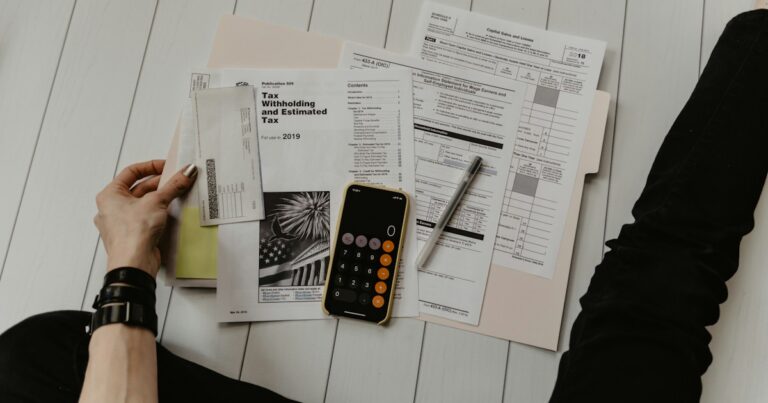
A client came to us last year after a mortgage pre-approval fell through three days before closing. The underwriter had flagged a $2,400 collection account from a property management company in Tampa — a rental balance from an apartment she’d left two years earlier after a dispute over a broken lease. She’d never received a bill, never received a collection notice, and had no idea the account existed until it cost her the loan. That’s the reality of landlord-mediated collections: they show up quietly, they hit hard, and most tenants don’t know they have the legal standing to fight back. This guide walks through exactly how these accounts get reported and how to dispute the ones that shouldn’t be there.
What a Landlord-Mediated Collection Actually Is
Landlords and property managers almost never report directly to Equifax, Experian, or TransUnion. Doing so requires a furnisher agreement with the bureaus, along with compliance infrastructure most small landlords and even mid-size management companies don’t maintain. Instead, when a tenant falls behind — usually after 60-90 days of nonpayment — the landlord assigns or sells the debt to a third-party collection agency that already has bureau reporting access.
That agency then opens a new tradeline under its own name, not the landlord’s. This is why so many people don’t recognize the account when they pull their report — it might read “Rent Recovery Solutions” or “National Credit Adjusters” instead of the apartment complex they actually lived in. The disconnect between the original debt and the name on the report is one of the biggest sources of confusion we see.
A newer wrinkle is landlord rent-reporting services like RentTrack, LevelCredit, or Esusu, which some property managers use to report on-time rent payments to help tenants build credit. The same services can report missed payments too, meaning a late or partial rent payment can now show up on a standard credit report even without a formal collection ever being opened. If you’re renting through a property that uses one of these services, a single missed payment can post to your file within one billing cycle — far faster than the traditional collection-agency route.
Why These Marks Hit Harder Than Other Collections
Rent collections carry a double penalty that most other debts don’t. First, there’s the direct credit score impact — a new collection account can drop a score by 50 to 100+ points, with people who had clean credit beforehand absorbing the larger hit, since FICO’s scoring models weight new derogatory marks more heavily against an otherwise strong history. Second, rental history gets checked separately through tenant screening databases like RentGrow, TransUnion SmartMove, or CoreLogic, which landlords pull when reviewing new applications.
That means a single unpaid rent balance can follow you in two completely different systems at once — one that affects your ability to get a mortgage, auto loan, or credit card, and another that affects your ability to rent your next apartment. We’ve had clients turned down for units in Miami and Orlando specifically because a landlord collection from three years earlier surfaced on both reports simultaneously.
The timing also tends to be worse than other debt types. Rent debt often follows a job loss, medical event, or a contested security deposit dispute — situations where the tenant is already dealing with a housing transition and least equipped to catch a small billing error before it snowballs into a four-figure collection. By the time most people discover the account, it’s already been reporting for months, sometimes years, and interest or agency fees have been added to the original balance.
The Legal Basis for Disputing These Accounts
The Fair Credit Reporting Act gives you the right to dispute any information on your credit report that is inaccurate, incomplete, or unverifiable — this applies to landlord-mediated collections exactly the same as it applies to credit card or medical debt. Under FCRA Section 611, the bureau receiving your dispute must investigate within 30 days and delete or correct any item the furnisher can’t verify with supporting documentation.
Separately, the Fair Debt Collection Practices Act requires that any third-party collector send you a written validation notice within five days of first contacting you about the debt, stating the amount owed, the name of the original creditor, and your right to dispute it within 30 days. If that notice was never sent — which happens more often with smaller regional collection agencies working rental debt than with larger, more compliant collectors — you have solid grounds to challenge the account’s legitimacy.
These two laws work together. The FDCPA governs how the collector is allowed to pursue you; the FCRA governs what they’re allowed to report and how the bureaus must respond when you push back. Disputes on landlord-mediated collections often combine both angles — challenging the accuracy of the reported information while separately demanding the collector prove they validated the debt properly. Our breakdown of how validation failures play out for other creditor types applies the same logic used in disputing payday loan collections, where the validation requirement is frequently skipped by smaller agencies.
Step-by-Step: How to Dispute a Landlord Collection Account
Start by pulling your report from all three bureaus at AnnualCreditReport.com — landlord collections don’t always get reported to all three, and comparing versions often reveals which bureau has the least accurate data. Note the collector’s name, the reported balance, the date of first delinquency, and the original creditor listed.
Next, send a written debt validation request to the collection agency within 30 days of first notice if you haven’t already — even outside that window, you can still request it, though the collector’s obligation to pause collection activity is strongest inside the initial 30-day period. Ask specifically for an itemized ledger showing the original lease balance, any fees added by the landlord, and any fees added by the agency itself.
While waiting on validation, file a dispute directly with each bureau reporting the account. Include:
- A copy of your lease showing move-out date and any security deposit terms
- Bank statements or money orders showing final rent payments, if available
- Any written communication with the landlord about the balance in question
- A clear statement of what’s inaccurate — wrong amount, wrong date, duplicate account, or unverified debt
If the collector can’t produce documentation within 30 days, the bureau must delete or correct information it cannot verify. If they do produce documentation but it conflicts with your lease terms or payment records, you can escalate with a second dispute citing the specific discrepancy, which forces a more thorough review than the first automated pass.
Common Servicer and Landlord Errors That Justify a Dispute
Property managers make reporting mistakes at a higher rate than banks or credit card issuers, largely because most don’t have dedicated compliance departments handling their debt placements. The most common errors we find when pulling a client’s rental collection file:
- Duplicate reporting — the original landlord’s internal ledger gets reported alongside the collection agency’s version of the same debt, creating two negative marks for one balance
- Inflated balances — late fees, re-rental fees, and early termination penalties get bundled into the collection amount without itemization, sometimes doubling the original rent owed
- Wrong date of first delinquency — this matters enormously because it determines the 7-year reporting clock; a collector who reports a later date than the actual first missed payment illegally extends how long the mark can hurt you
- Security deposit disputes reported as debt — a landlord who simply disagreed with a tenant over deposit deductions sometimes reports the disputed amount as unpaid rent rather than resolving it as the separate legal matter it actually is
Any one of these is enough grounds for a formal dispute. The inflated balance issue in particular mirrors what we see with rent-to-own furniture collections, where added fees frequently exceed what state law allows a creditor to tack onto an original balance.
What to Do If the Debt Is Legitimate But Reported Incorrectly
Owing the money doesn’t mean you have no options. If the debt itself is accurate but the reporting has errors — wrong dates, duplicate accounts, missing validation — you dispute the reporting issue specifically rather than claiming you don’t owe anything, which keeps your dispute credible and harder for the bureau to dismiss as frivolous.
If the underlying debt is accurate and properly documented, your best leverage is negotiating directly with the collection agency. Rental debt collectors typically buy or accept these accounts at a steep discount from the property manager, which may leave room to negotiate a settlement, though results vary. Always get any settlement or pay-for-delete agreement in writing before sending payment — a verbal promise from a collections rep carries no weight if the account still shows as unpaid six months later.
Once an account is paid, its status should update to “paid collection,” but the negative history remains for the full 7-year reporting window unless removal was part of your agreement. This is the same dynamic we cover in our guide on removing zero-balance negative entries from paid-in-full accounts — paying a debt stops the bleeding but doesn’t erase the wound unless you specifically negotiated deletion up front.
Timeline: What to Expect After Filing a Dispute
Once you submit a dispute, the bureau has 30 days under the FCRA to complete its investigation — 45 days if you submit additional information during the process. The bureau forwards your dispute to the furnisher (the collection agency), which must respond with verification or the account gets deleted automatically.
In practice, timelines break down like this: days 1-5, the bureau processes and forwards your dispute; days 5-25, the furnisher investigates, which for a small rental collection agency often means a single employee checking a spreadsheet rather than a formal document review; days 25-30, the bureau updates your file based on what came back, or the item is deleted or corrected if nothing came back at all.
Some disputes on landlord-mediated collections end through simple non-response. The agency doesn’t reply within the window, and the bureau may delete the account. Results vary, and this happens more often with smaller regional collectors than with national agencies, since smaller shops frequently lack the staff to respond to every dispute methodically. If the item comes back “verified” without real documentation attached, you’re entitled to request the method of verification used, which sometimes exposes a rubber-stamp process that didn’t actually check anything.
Preventing Future Rent Debt From Hurting Your Score
The best defense against a landlord-mediated collection is catching a billing dispute before it reaches an agency. Get every move-out inspection and security deposit deduction in writing, and respond to any landlord communication about a balance within days, not weeks — many state landlord-tenant laws give property managers 21-60 days to return deposits or itemize deductions, and disputing quickly while records are fresh is far easier than reconstructing a lease dispute two years later.
If your current landlord uses a rent-reporting service, treat every payment like a bill that affects your credit file directly, because it now does. A single late payment reported through one of these services can appear on your file within a single billing cycle — there’s no 60-90 day buffer like there is with traditional collections. Set up autopay or calendar reminders specifically for that lease if it’s on a reporting platform.
Finally, check your credit report at least twice a year, not just when you’re applying for something. Landlord collections often post 12-24 months after move-out, well after the original dispute is out of your immediate memory. Catching it within the first few months of it appearing — rather than a year later during a mortgage application — gives you a much stronger position to dispute cleanly, since your documentation is still accessible and the collector’s file is still fresh enough to challenge.
Get a Professional Review of Your Rental Collection
Landlord-mediated collections are messier than standard creditor debt because they pass through more hands — property manager, management company, sometimes a debt buyer, then a collection agency — and every handoff is a chance for an error to enter your file. If you’re staring at a rental collection you don’t recognize, don’t remember, or believe is inflated, don’t guess at the dispute language yourself. The free Credit Clarity Session is a no-pressure way to walk through your reports with our team and see which errors may give you grounds to dispute. You send any dispute yourself; Score Pros helps you prepare and review it. Book your free Credit Clarity Session.